
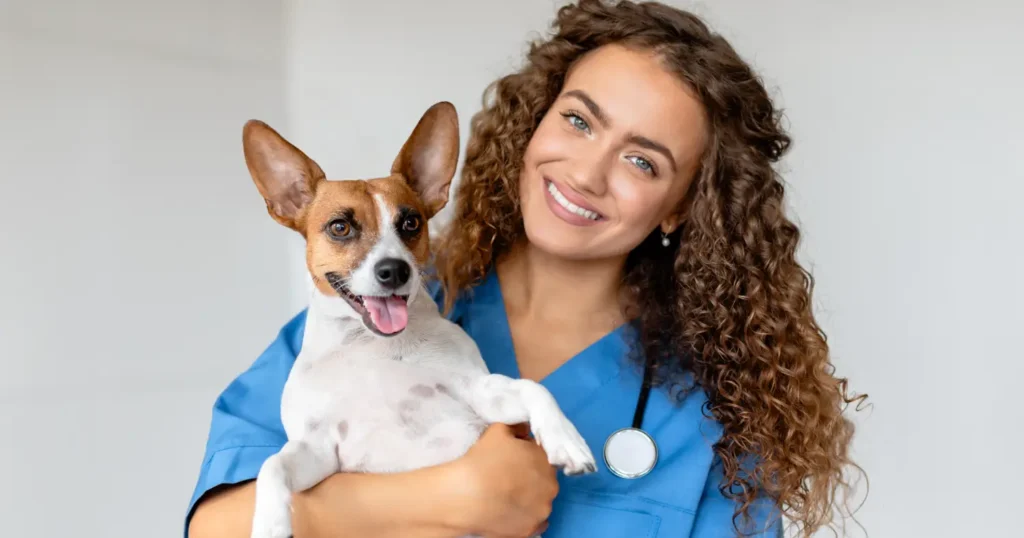
If you are training to become a veterinary assistant, your practicum is one of the most important parts of your program. It gives you the chance to step into a real animal care setting and see how the job works day to day.
A veterinary assistant practicum helps you turn classroom learning into real experience. You may be placed in a veterinary clinic, animal hospital, shelter, or another animal care setting. During this time, you will learn how to support staff, care for animals, help with office work, and handle daily clinic routines.
Many students feel excited before practicum, but also a little nervous. That is normal. You may wonder what kind of work you will do, how to act professionally, and what employers expect from you.
This guide explains what to expect during your practicum, what skills you may use, and how to prepare for success as a veterinary assistant.
What is a veterinary assistant practicum?
A veterinary assistant practicum is a hands-on placement in a real workplace. It gives students practical experience in animal care and veterinary office support.
Instead of only learning from books or class lessons, you get to observe and practise real tasks in a professional setting. You learn how staff work together, how animals are handled safely, and how clinics stay organized.
Your practicum is also a chance to build confidence. It helps you understand what the job is really like and prepares you for future employment.
Why your practicum matters
Your practicum matters because it helps you get ready for work. Employers want people who understand both the technical side and the human side of the job.
As a veterinary assistant, you may support animal care, office duties, client service, and clinic organization. Your practicum gives you a chance to develop these skills in a real environment.
It can also help you:
- Build workplace confidence
- Improve communication skills
- Learn professional behaviour
- Get used to a busy clinic setting
- Strengthen your resume
- Make a good impression on possible employers
For many students, practicum is the first real step into the animal care field.
Where you may complete your practicum
Your practicum may take place in different types of veterinary environments. Each setting gives you a slightly different experience.
You may complete your placement in a:
- Veterinary clinic
- Animal ER hospital
- Specialty hospital
- Animal control centre
- Animal rehabilitation centre
- Animal shelter
- Zoo
- SPCA
Some placements focus more on small companion animals like cats and dogs. Others may expose you to emergency care, rehabilitation, or public animal services.
What your first day may look like
The first day of your veterinary assistant practicum is usually about learning the workplace.
You may be introduced to:
- The clinic team
- The daily schedule
- Safety rules
- Cleaning procedures
- Animal handling rules
- Office systems and software
- Clinic policies
You may spend part of the first day observing how the clinic runs. You may also help with simple tasks such as cleaning, stocking supplies, setting up rooms, or filing paperwork.
Do not worry if you are not asked to do everything right away. Practicum is a learning experience. You are there to watch, ask questions, and grow your skills step by step.
Common tasks during a veterinary assistant practicum
Your exact duties will depend on your placement site. In most cases, a veterinary assistant helps the clinic run smoothly by supporting both animal care and office operations.
Here are some common tasks you may do.
Animal care support
You may help with:
- Preparing exam rooms
- Holding or calming animals during exams
- Cleaning cages or kennels
- Feeding animals if instructed
- Watching animal behaviour
- Helping keep treatment areas clean and ready
You may also learn the basics of supportive care for patients and how to help the team during daily clinical procedures.
Surgical support
In some practicum settings, you may be exposed to surgical routines. This can include:
- Learning booking and admitting procedures
- Preparing patients for surgery
- Helping before and after procedures
- Observing post-operative care
- Understanding discharge steps
You may also learn how clinics prioritize surgery patients and manage related services like radiology, dentistry, and lab work.
Veterinary office support
Many veterinary assistant roles include front desk and office duties. During practicum, you may help with:
- Scheduling appointments
- Answering phones
- Greeting clients
- Updating patient files
- Preparing invoices and estimates
- Tracking inventory
- Supporting pet insurance paperwork
This part of the role is important because good organization helps the clinic provide better care.
Cleaning and clinic maintenance
Cleanliness is a major part of veterinary work. You may be expected to:
- Clean surfaces and equipment
- Disinfect rooms
- Restock clinic supplies
- Keep treatment spaces organized
- Follow sanitation rules carefully
These tasks help protect animals, staff, and clients.
Skills you may use during practicum
Your practicum helps you apply the knowledge you learned in class. It is not only about doing tasks. It is also about using the right skills in the right way.
Medical terminology
You may hear many new words in the clinic. As a veterinary assistant, understanding medical terminology helps you follow instructions, read notes, and communicate clearly with the team.
Animal anatomy and physiology
Your training in animal anatomy and physiology helps you better understand how animals’ bodies work. This makes it easier to follow care routines and recognize when something may be wrong.
Animal behaviour
Knowing the basic behaviour of common companion animals is very important. During your practicum, you may see how animals react to stress, fear, pain, or unfamiliar people. This helps you learn safe and respectful handling.
Drug calculations and administration awareness
Depending on your placement, you may observe or assist with tasks related to drug calculations, dispensing, or administration under supervision and within your role. Accuracy and safety are very important in this area.
Supportive care
Supportive care means helping animals stay safe, comfortable, and stable during treatment and recovery. You may see how clinics support pets before, during, and after procedures.
Communication skills
Strong communication is a big part of being a successful veterinary assistant. You will likely communicate with staff, clients, and sometimes pet owners who are feeling worried or emotional.
You may need to:
- Speak clearly and politely
- Listen carefully
- Write notes or reports
- Explain simple information professionally
- Stay calm in busy situations
What employers look for during practicum
Your practicum site may be watching more than your technical skills. Employers often pay close attention to how you behave at work.
Here are some qualities they often value:
| What Employers Look For | Why It Matters |
| Professional attitude | Shows you take the role seriously |
| Punctuality | Clinics run on schedules |
| Willingness to learn | Practicum is a training experience |
| Teamwork | Veterinary care is a group effort |
| Good communication | Helps with staff and client interactions |
| Clean and organised work habits | Important for safety and clinic flow |
| Compassion for animals | Essential in animal care |
| Respect for clients | Builds trust and professionalism |
Even if you are still learning, a good attitude can leave a strong impression.
How to prepare before your practicum starts
Good preparation can help you feel more confident on your first day.
Before your practicum, try to:
- Review your notes on animal care and office procedures
- Refresh your knowledge of medical terminology
- Learn the basics of clinic etiquette
- Prepare clean and professional clothing if required
- Bring a notebook and pen
- Arrive early
- Ask questions if anything is unclear
It can also help to remind yourself that you are not expected to know everything. You are there to learn.
What to expect emotionally
Working with animals can be rewarding, but it can also be emotional. During your veterinary assistant practicum, you may see animals that are sick, injured, frightened, or in pain.
You may also be exposed to difficult topics such as euthanasia and grief support. Veterinary office procedures often include understanding how clinics speak with clients during hard moments.
This part of the field can feel heavy at times. That is why professionalism, empathy, and emotional balance are so important.
It is okay to feel emotional. What matters is learning how to stay respectful, calm, and supportive in a professional setting.
A simple example of a practicum day
Here is an example of what a practicum day might look like for a veterinary assistant student.
| Time | Example Task |
| 8:00 AM | Arrive, review schedule, prepare rooms |
| 9:00 AM | Help clean and stock exam areas |
| 10:00 AM | Observe appointments and animal handling |
| 11:30 AM | Assist with records or front desk tasks |
| 1:00 PM | Lunch break |
| 2:00 PM | Support cleaning, restocking, and patient flow |
| 3:30 PM | Observe treatment or surgery prep |
| 4:30 PM | Finish notes, clean up, end shift |
Every clinic is different, but this gives you a simple idea of the rhythm of the day.
Tips to succeed during your veterinary assistant practicum
Here are some easy but important tips to help you do well.
Be open to learning
You will learn a lot by watching and listening. Stay curious and ask thoughtful questions.
Be reliable
Show up on time, follow instructions, and complete tasks carefully.
Stay professional
Use respectful language, follow dress rules, and treat everyone politely.
Watch how the team works
You can learn a lot by observing how staff speak to clients, handle animals, and manage busy moments.
Take notes
Writing things down can help you remember processes, terms, and important advice.
Accept feedback well
Feedback helps you improve. Try to see it as part of your growth.
Focus on safety
Always follow rules for hygiene, animal handling, and workplace safety.
How practicum prepares you for future jobs
A practicum helps you get ready for many different roles after graduation. It gives you workplace experience and helps you understand where your strengths and interests may be.
After completing training, graduates may be able to seek work as:
- Veterinary Technician Assistants
- Veterinary Assistants
- Veterinary Office Assistants
- Company Representatives for Pet Nutrition Brands
- Company Representatives for Animal Products or Vaccines
- Kennel boarders
- Pet Insurance Agents
This means your practicum can support more than one career path. It gives you useful experience in both animal care and client-facing work.
Final thoughts
Your veterinary assistant practicum is an important step in your learning journey. It helps you move from theory to real practice. You get to see how veterinary environments work, build confidence, improve communication, and learn what it means to support both animals and people.
As a veterinary assistant, your role can include patient support, office work, client service, cleanliness, teamwork, and compassion. Practicum helps bring all of these areas together.
You do not need to be perfect on day one. What matters most is being prepared, professional, willing to learn, and ready to grow.
A practicum is not only about completing hours. It is about gaining real experience that can help shape your future career in animal care.
FAQs
-
What is a veterinary assistant practicum?
A veterinary assistant practicum is a hands-on placement in a real animal care setting where students apply classroom learning, observe professionals, and build practical workplace skills.
-
Where can I do my veterinary assistant practicum?
You may complete your practicum in a veterinary clinic, animal ER hospital, specialty hospital, shelter, zoo, SPCA, rehabilitation centre, or animal control centre.
-
What does a veterinary assistant do during practicum?
A veterinary assistant may help with room setup, cleaning, animal handling, front desk support, patient records, supplies, and general clinic organization under supervision.
-
Will I work directly with animals during my practicum?
Yes, many students do work around animals during practicum. This may include safe handling, observing behaviour, helping prepare spaces, and supporting patient care routines.
-
Is a veterinary assistant practicum hard?
It can feel busy and new at first, but it becomes easier as you learn. Strong communication, professionalism, and a willingness to learn can help you succeed.
-
What should I bring to my practicum?
Bring any required uniform, a notebook, pen, and a positive attitude. It also helps to review key course topics before your first day.
-
Will I learn veterinary office duties too?
Yes, many practicum sites include office tasks such as scheduling, invoicing, file updates, inventory support, estimates, and pet insurance-related paperwork.
-
Can a practicum help me get a job?
Yes, practicum gives you real experience, helps build confidence, and may allow employers to see your skills, attitude, and readiness for the workplace.
-
Do veterinary assistants help with surgery?
In some settings, students may observe or support parts of surgical routines, such as patient prep, booking procedures, discharge steps, and post-operative care support.
-
What communication skills matter most in practicum?
Clear speaking, active listening, polite client service, note-taking, and professional behaviour are all important communication skills during a veterinary assistant practicum.
-
Will I learn about animal behaviour?
Yes, practicum helps students understand how common companion animals behave in clinical settings, which supports safer handling and better patient care.
-
What if I feel nervous before practicum?
That is normal. Most students feel nervous at first. Preparation, punctuality, and asking questions can help you feel more comfortable and confident over time.